Earliest Excavation In Sarawak


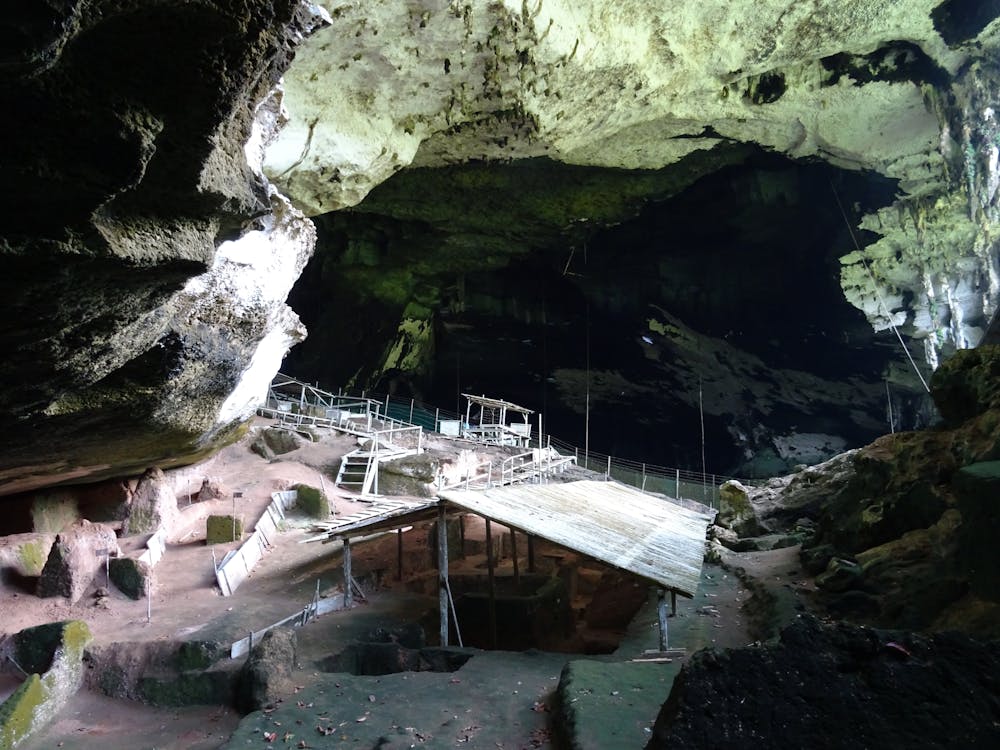
Excavation yielded two struck flakes and a wide range of ecofacts the remains of plants and animals.
Earliest excavation in sarawak. Dr Curnoe who is co-leading the excavation with members of the Sarawak Museum hopes this dig can shed light on when humans like us Homo sapiens. It found in the deposits and yielded a 14C date on charcoal 40000 BP. Excavation of Gua Bungoh in South-West Sarawak 165 The limestone caves and rock-shelters in several parts of Borneo provide starting points for the pursuit of the islands prehistory.
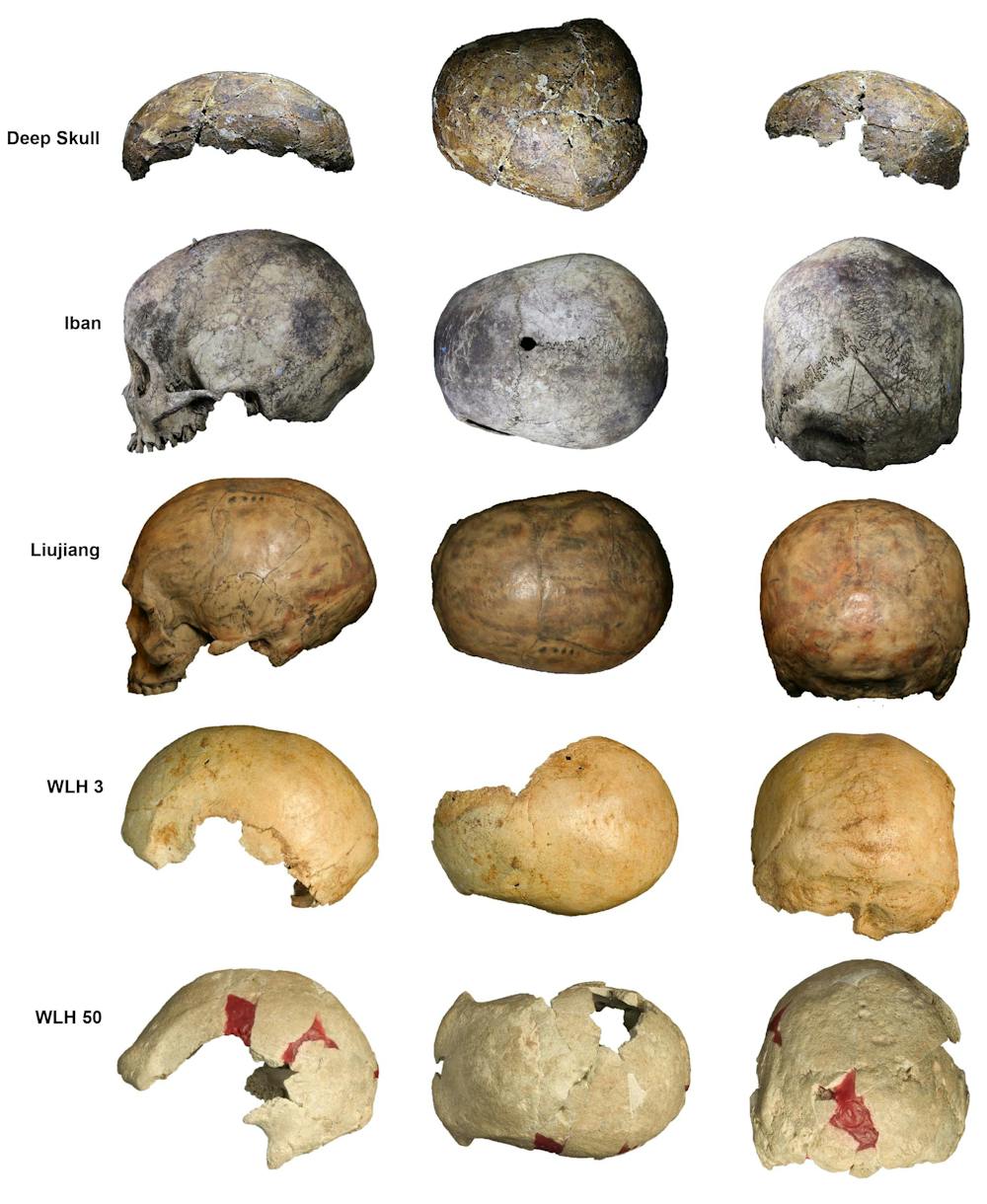
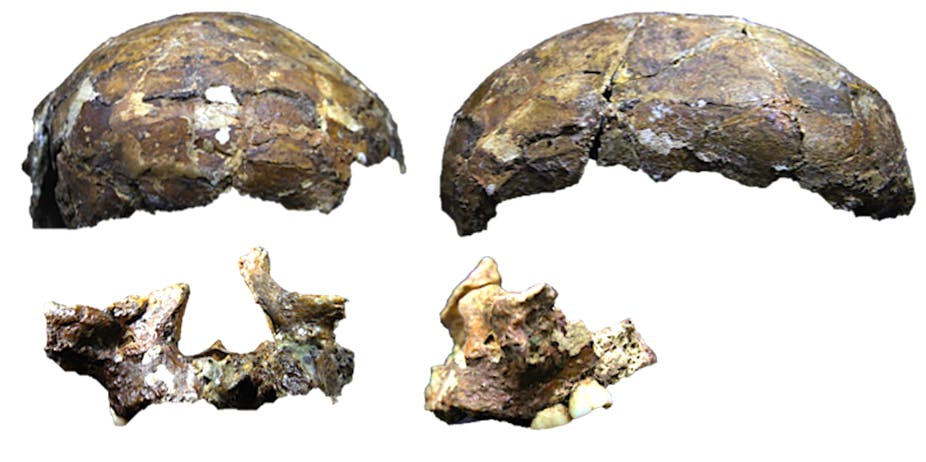
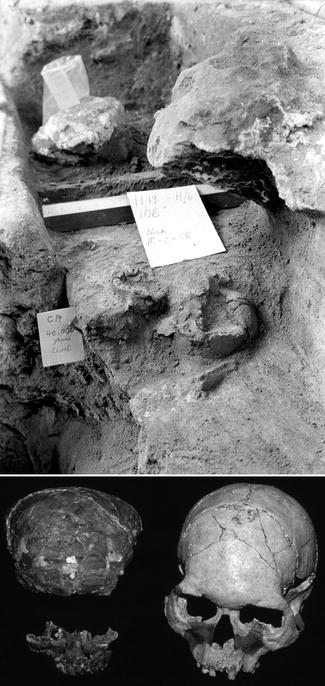
Memories of this excavation as well as of Tom Harrisson continue to exist in the Highlands until today. Beginning in 2017 the excavation work was a joint project between Sarawak Museum Department and the University of New South Wales to search for new archaeological evidence of early modern humans. The most important archaeological finding in the Gua Niah was the human skull found by the excavation Harrison in 1958.
The Batuh Ritung was also the site of an archaeological excavation conducted by the British archaeologist Tom Harrisson and the Sarawak Museum in 1962. Subsequent work at the site in the 1970s and most recently by the Niah Caves Project 20002004 brought the total to 170 comprising 89 primary burials and 79 secondary burials and two multiple burials. Ever since extensive archaeological works have been carried out on more than 50 sites throughout Sarawak.
History of Sarawak can be traced as far as 40000 years ago paleolithic period where the earliest evidence of human settlements is found in the Niah caves. The findings were both rewarding and exciting. These range from justunder 1000years BP.
It was excavated from a deep trench uncovered by Barbara and Tom Harrisson a British ethnologist in 1958. The earliest evidence of modern human habitation in Malaysia is the 40000-year-old skull excavated from the Niah Caves in todays Sarawak nicknamed Deep Skull. Established in 2017 the excavation work was a joint project between the Sarawak Museum Department and University of New South Wales to search for.
During the 1950s and 60s Niah Cave was the focus of several intense and active archaeological field seasons when Tom Harrisson Curator of Sarawak Museum between 1947 and 1967 excavated. The 1950s and 1960s. International historians observe archaeological excavations at the site of the 2000 year old Bujang Valley civilisation in Sungai Batu Kedah.
The region for the length ofthe sequence ofhuman activity found and the wealth ofthe material culture associated with it. The coastal regions of Sarawak came under the influence of the Bruneian Empire in the 16th century. Together with his wife Barbara Harrison the excavations ran for 13 years until 1967 digging in several of the caves in the Niah Caves Complex and the adjacent areas.
Niah Caves Sarawak Borneo Received 4 April 1975 TOM HARRISSON NIAH BACKGROUND AND NEW C-14DATES WE have nearly 50 C-Hdates resulting from the Niah Cave excavations conducted by this writer when Curatorof the Sarawak Museum during. The Niah Cave provides examples of early Pleistocene mans habitat in Sarawak and was the site of almost continuous human dwelling until the 19th century. After a lull of 75 years Tom Harrisson who was then the curator of the Sarawak Museum organised the first archaeological digs at Niah Caves in 1954.
The other side of the museum is yet another new adventure which is filled with the exposure of Archaeological Site in Sarawak The Niah Cave excavation which Harrisons undertook adjacent joint with Sarawak Museum proves to be an important find especially at February 1958 where fragments of a human skull believed to be the earliest example of Homo Sapiens on Borneo was found. A series of Chinese ceramics dated from 8th to 13th century AD was uncovered at the archeological site of Santubong. They have described the man-made structures the oldest thus far recorded in South-east Asia as the most pivotal find in the region in the last few decades.
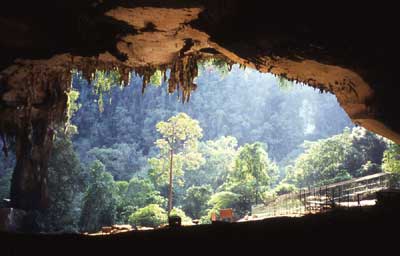
The Niah Caves complex Sarawak. However although the Harrissons and their collaborators published numerous. The main excavations by the Harrissons were in the West Mouth Lobang Tulang Lobang Angus and Gan Kira.
The Niah excavations yielded a wealth of cultural material most of it stored today in Sarawak Museum including stone tools animal bones bone tools human skeletal remains shell food refuse local and imported pottery textiles basketry and beads. Due to the absence of professional crew in archaeological study at that time the first excavation by the museum staff only took place in 1948. Excavations between 1954 and 1967 in the West Mouth Niah Cave Sarawak uncovered the largest Neolithic cemetery in South-east Asia with over 150 burials.
It is fair to say that Harrisson was and still is fondly remembered by the Kelabit. Furthermore there were four more such stabilisation surfaces containing evidence of human occupation below the level of the Deep Skull pushing the date of the earliest human presence backwards in time. In 1839 James Brooke a British explorer first arrived in Sarawak.